Green architecture is no longer a trend. It is a responsibility.
From material sourcing to energy efficiency, every architectural decision today contributes to a building’s environmental footprint. While façades, insulation, and solar systems receive significant attention, structural elements such as railings quietly play an equally important role.
Integrating sustainable railings into modern design is about durability, material intelligence, and long-term environmental value — without compromising refinement.
Sustainability Begins With Material Selection
The foundation of eco-conscious railing systems lies in responsible material choice.
Premium sustainable railing systems often incorporate:
- Stainless steel with high recyclability
- Tempered or laminated glass with long lifecycle performance
- Corrosion-resistant finishes that reduce replacement frequency
- Low-maintenance components that minimize chemical cleaning
Stainless steel, in particular, offers exceptional durability and is 100% recyclable without loss of quality. When used in architectural railing systems, it reduces the need for frequent replacement — lowering overall environmental impact.
Longevity is sustainability in its most elegant form.
Modular Design: Building for the Future
Green architecture values adaptability.
Modular railing systems allow:
- Component replacement instead of full system removal
- Easy upgrades during renovation
- Reduced material wastage during installation
- Efficient transportation and assembly
Systems such as those engineered by Technoraill are designed with modular precision, allowing structures to evolve without excessive demolition or material disposal.
Sustainability is not only about what is built — but how intelligently it can adapt.
Durability Reduces Environmental Cost
One of the most overlooked principles of green design is lifecycle thinking.
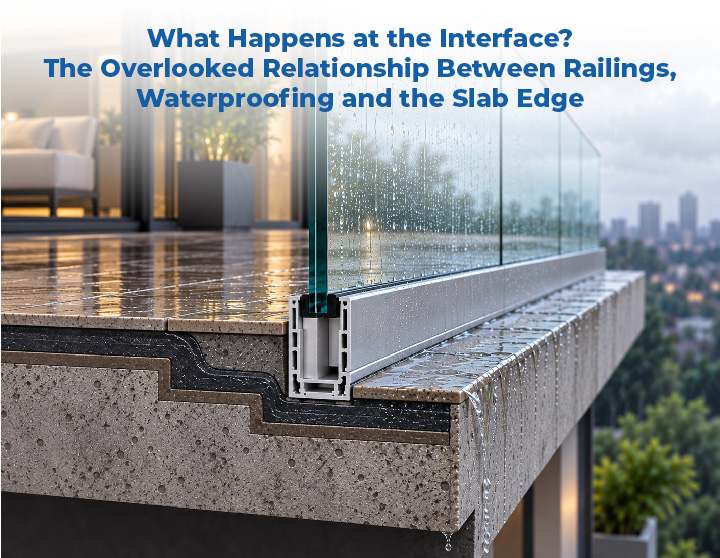
Railings exposed to outdoor conditions must withstand:
- Moisture
- UV exposure
- Temperature fluctuations
- Urban pollution
When materials corrode or weaken prematurely, replacement increases carbon footprint and resource consumption.
High-grade stainless steel and engineered glass combinations ensure structural endurance over decades — reducing long-term environmental strain.
In sustainable architecture, durability equals responsibility.
Minimal Maintenance, Maximum Efficiency
Frequent maintenance often involves:
- Chemical cleaners
- Repainting
- Replacement of rusted components
Sustainable railing systems reduce this dependency. Polished stainless steel surfaces and treated glass panels require minimal upkeep, conserving both water and chemicals over time.
Efficiency is not visible — but its impact is lasting.
Transparency and Natural Light
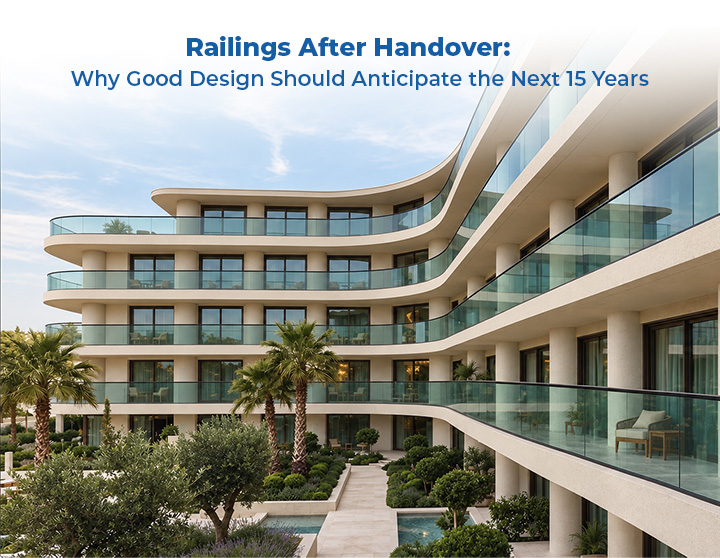
Glass-integrated railing systems contribute to green architecture by enhancing natural light flow.
Benefits include:
- Reduced artificial lighting needs
- Improved indoor-outdoor visual continuity
- Enhanced energy efficiency in daylight hours
Open railing designs create brighter spaces, supporting energy-conscious planning while maintaining architectural elegance.
Sustainability should feel light — not heavy.
Compliance With Green Building Standards
Architectural projects seeking green certifications often evaluate:
- Recyclability of materials
- Embodied energy
- Product lifecycle
- Maintenance impact
Thoughtfully engineered sustainable railings align with these environmental metrics, supporting broader green building goals without overt structural bulk.
True green architecture is seamless — where structural elements quietly support environmental integrity.
A Refined Approach to Responsible Design
Sustainability does not require sacrificing sophistication. Modern railing systems demonstrate that environmental consciousness and architectural luxury can coexist.
Precision-crafted stainless steel frameworks combined with safety glass panels — as seen in contemporary systems curated by Technoraill — offer a balance of minimalism, strength, and environmental durability.
Green design, when executed thoughtfully, becomes timeless rather than temporary.
Final Reflection
Integrating sustainable railings into architectural planning is not a decorative choice — it is a strategic one. Material resilience, modular engineering, and long lifecycle performance collectively reduce environmental impact while preserving design purity.
In elevated architecture, sustainability should be as refined as the spaces it protects.
Because responsible design is the future of lasting luxury.