Modern architecture continues to evolve. Today, projects demand speed, precision, and design flexibility. Therefore, architects and developers look for smarter construction solutions.
Among these innovations, modular railings have emerged as a preferred choice. They offer modern aesthetics, efficient installation, and long-term reliability. As a result, they are becoming an important part of contemporary architecture.
What Are Modular Railings?
Traditional railing systems often require extensive on-site fabrication. However, modular railings use pre-engineered components that fit together with precision.
This approach simplifies installation and improves consistency. Moreover, it helps maintain quality across projects.
Because of this, modular systems have gained popularity in residential and commercial construction.
Faster Installation for Modern Projects
Construction timelines are becoming tighter every year. Therefore, installation efficiency plays a major role.
Technoraill designs modular railings for faster assembly and smoother execution. In addition, pre-engineered components reduce on-site work.
As a result, projects can achieve quicker completion without affecting quality.
Precision and Consistency
Modern architecture requires clean lines and accurate detailing. Therefore, precision is essential.
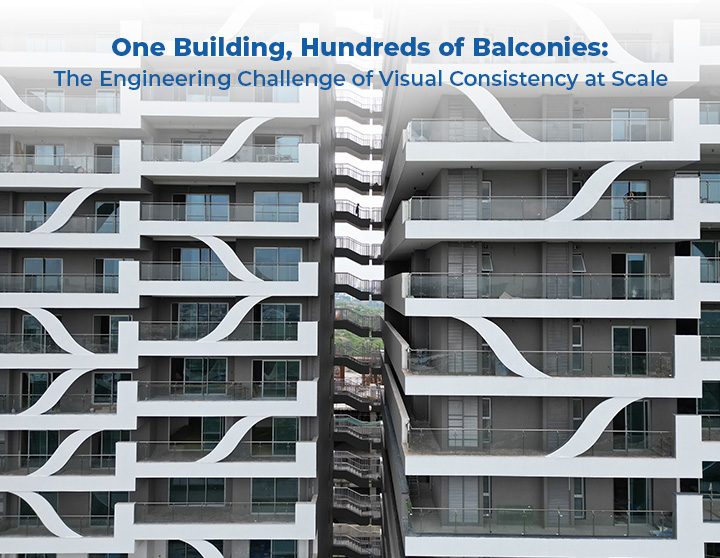
Modular railings are manufactured with exact dimensions. Moreover, every component is designed to fit correctly.
Because of this, the finished system looks more refined and professional.
Flexible Designs for Contemporary Spaces
Every project has unique design requirements. Therefore, railing systems should support architectural creativity.
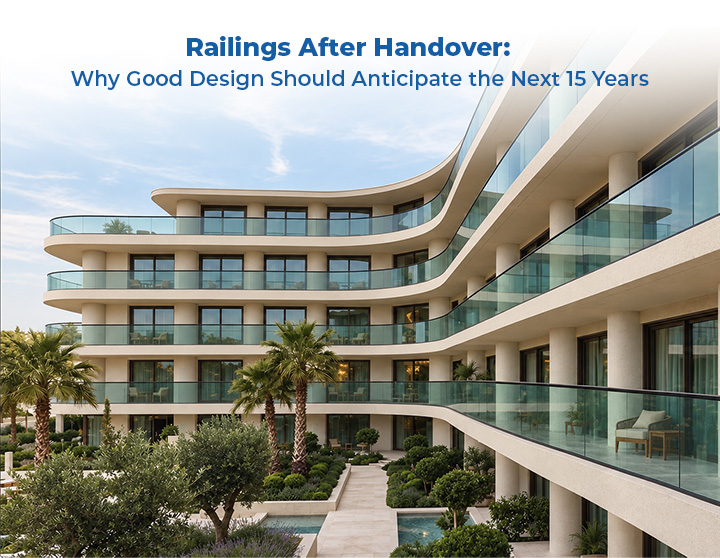
Technoraill offers modular railings in various styles and configurations. In addition, they integrate seamlessly with glass, stainless steel, and aluminium systems.
As a result, architects gain greater design freedom.
Durability for Long-Term Performance
Modern buildings require materials that perform well over time. Therefore, durability remains a key consideration.
Technoraill uses premium materials in its modular railings. Moreover, these materials resist corrosion and environmental damage.
Because of this, the systems maintain their strength and appearance for years.
Low Maintenance Requirements
Property owners prefer solutions that require less maintenance. Therefore, long-term upkeep becomes an important factor.
Modular railings use durable materials and high-quality finishes. In addition, the systems are easy to clean and maintain.
As a result, owners can reduce maintenance efforts and costs.
Improved Safety Standards
Safety remains a priority in every architectural project. Therefore, railing systems must provide reliable protection.
Technoraill engineers modular railings to deliver stability and structural strength. Moreover, precise manufacturing improves fitting accuracy.
Because of this, the systems provide dependable safety across different applications.
Supporting Sustainable Construction
Sustainability is becoming a major focus in construction. Therefore, efficient systems are more valuable than ever.
Modular railings reduce material waste during installation. In addition, durable materials increase product lifespan.
As a result, they support more sustainable building practices.
The Future of Architectural Design
Architecture continues to move toward smarter and more efficient solutions. Therefore, modular systems will play a bigger role in future projects.
Technoraill combines engineering precision with modern aesthetics to create advanced modular railings. Moreover, the systems meet the demands of contemporary construction.
Because of this, modular railings continue to shape the future of architecture.
Conclusion
Modern projects require speed, quality, and design flexibility. Therefore, traditional solutions often fall short of expectations.
Technoraill’s modular railings provide a smarter alternative. With faster installation, premium materials, and modern design, they offer everything today’s architecture demands. As a result, modular railings are becoming the future of modern construction.