Modern construction sites need speed, safety, accuracy, and clean execution. Every stage of a project matters. Even small delays can affect timelines, labour costs, and overall project quality.
Railing installation is one such stage. The right railing system can make installation much easier. Traditional railing work often needs on-site welding and fabrication. However, modern modular railing systems offer a cleaner and faster option.
A no welding railing system helps teams install railings faster while maintaining a clean finish and consistent quality.
What Is a No-Welding Railing System?
A no welding railing system uses pre-engineered modular components. Teams can assemble these components directly at the project site without welding.
Manufacturers produce each component according to set measurements and specifications. Therefore, installers need less fabrication work on site.
As a result, the railing looks cleaner and more uniform. The process also gives project teams better control over installation quality.
Cleaner Site Execution
Traditional welding can create sparks, dust, heat marks, and surface damage. It may also require extra polishing and finishing work.
However, modular railings reduce these issues. Installers assemble ready-made components instead of carrying out major fabrication work at the site.
This makes the process cleaner and more organised.
Moreover, this method works well for projects that are close to completion. At this stage, teams need to protect flooring, walls, glass, paint, and interior finishes from damage.
Faster Installation
Speed is one of the main benefits of modular railing systems.
Since the components arrive ready for assembly, installers can complete the work faster. They do not need to spend as much time cutting, welding, grinding, or polishing.
Therefore, builders can manage project schedules more effectively.
In addition, faster installation reduces disruption at the site. This becomes especially useful for large residential, commercial, hospitality, and public projects.
Better Finishing Quality
Railings remain visible after project completion. Therefore, their finishing quality plays an important role in the overall look of the space.
Traditional fabrication can sometimes leave welding marks, uneven joints, or inconsistent polishing.
In contrast, a no welding railing system gives manufacturers greater control over component quality before installation.
As a result, the finished railing has cleaner lines, smooth joints, and a more consistent appearance.
This level of detail works especially well with modern architectural designs.
Consistency Across Multiple Areas
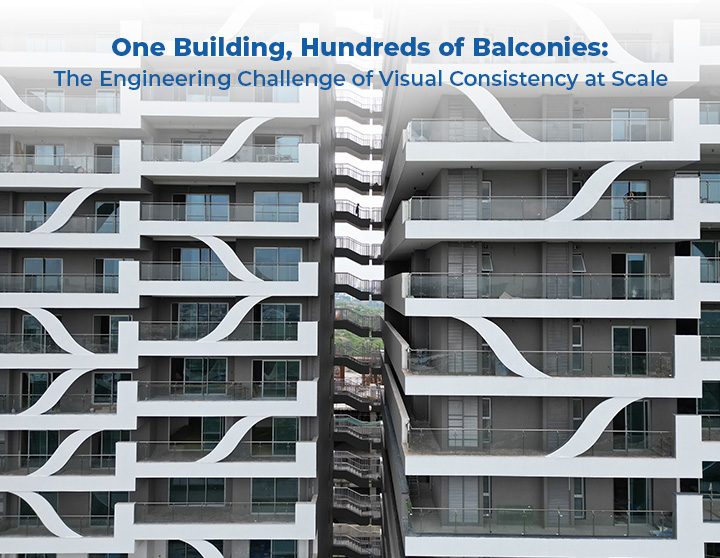
Large projects often need railings in many areas. These may include balconies, staircases, terraces, corridors, and atriums.
With traditional site fabrication, the final quality can vary from one area to another. Different workers may also create slightly different finishes.
Modular railing systems help solve this problem.
Because they use standard components, project teams can maintain the same design and finish across different areas.
Therefore, the overall project looks more organised and consistent.
Reduced Rework and Site Dependency
Traditional fabrication depends heavily on site conditions, labour skills, equipment, and available space.
Because of this, small errors can lead to delays or rework.
A no welding railing system reduces this dependency. Teams plan the railing system before installation and use ready-to-fit components at the site.
As a result, installation becomes easier to manage and more predictable.
In addition, less rework can help teams save time and control project costs.
Better Safety During Installation
Welding requires heat, sparks, smoke, electrical equipment, and careful handling.
Therefore, workers need extra safety measures during the installation process.
A no-welding system reduces the need for these activities. Installers can work in a cleaner and more controlled environment.
This can also make site coordination easier when several teams are working in the same area.
Suitable for Premium Projects
Premium projects demand clean finishes, smooth execution, and attention to detail.
A no welding railing system supports all these requirements.
For example, villas, hotels, malls, apartment towers, offices, and public buildings can benefit from modular railing systems.
These systems help project teams achieve a refined result while reducing heavy fabrication work on site.
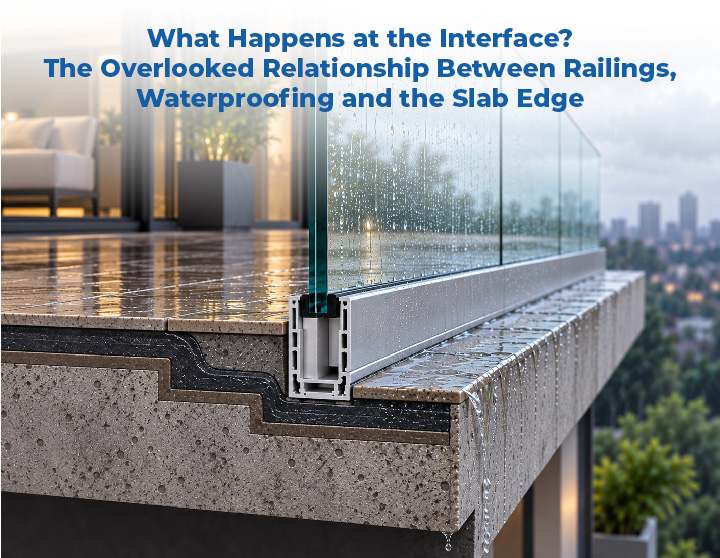
In addition, modular systems work well with modern materials such as glass, stainless steel, and other architectural finishes.
Conclusion
No-welding modular railings offer several benefits for modern construction sites. They support faster installation, cleaner execution, better finishing, improved consistency, and reduced rework.
Moreover, they help project teams reduce site-level fabrication and manage installation more efficiently.
Technoraill offers 100% modular railing systems for residential, commercial, hospitality, and infrastructure projects. Its installation-ready solutions combine precision engineering, premium finishes, and glass-compatible designs.
Therefore, for projects that require speed, cleanliness, quality, and consistency, Technoraill modular railings offer a smarter approach to railing installation.