Architecture is not only about building structures. It is about creating spaces that feel balanced, functional, and visually complete. Therefore, every element must support the design vision.
Railings are one such element. They provide safety, guide movement, and shape the appearance of staircases, balconies, terraces, atriums, and walkways. Because of this, architects prefer railing systems that can be customized according to the project.
Customizable railing systems allow architects to achieve the right balance between safety, aesthetics, and site requirements.
Every Project Has a Different Design Language
No two premium projects are exactly the same. A villa may follow a warm and elegant design language, while a corporate office may require a sleek and minimal look. A hotel may focus on luxury and views, while a commercial complex may need durability and consistency.
Standard railing solutions may not fit all these requirements. Therefore, architects need systems that can adapt.
Customizable railing systems allow selection of profiles, finishes, colors, glass options, and installation styles. This helps the railing become part of the overall design instead of looking separate from it.
Supporting Interior and Exterior Design
Premium projects often include both interior and exterior railing requirements. Interior staircases may need refined finishing and visual openness. Exterior balconies and terraces may need weather resistance and long-term durability.
Customizable railing systems help architects choose different solutions for different spaces while maintaining design continuity.
For example, a project can use a glass-compatible railing system in open-view areas and a structured railing system in functional zones. This flexibility improves both appearance and performance.
Better Control Over Visual Proportions
Railing design affects how a space feels. Heavy profiles may make a space look crowded, while clean profiles can create openness.
Architects pay close attention to proportions, lines, spacing, and alignment. Customizable systems make it easier to select the right profile and finish for the space.
This is especially important in premium projects where every detail must look intentional. A railing system should not overpower the architecture. It should quietly enhance it.
Glass Compatibility for Modern Spaces
Modern architecture often uses glass to create openness and transparency. Therefore, glass-compatible railing systems are highly useful.
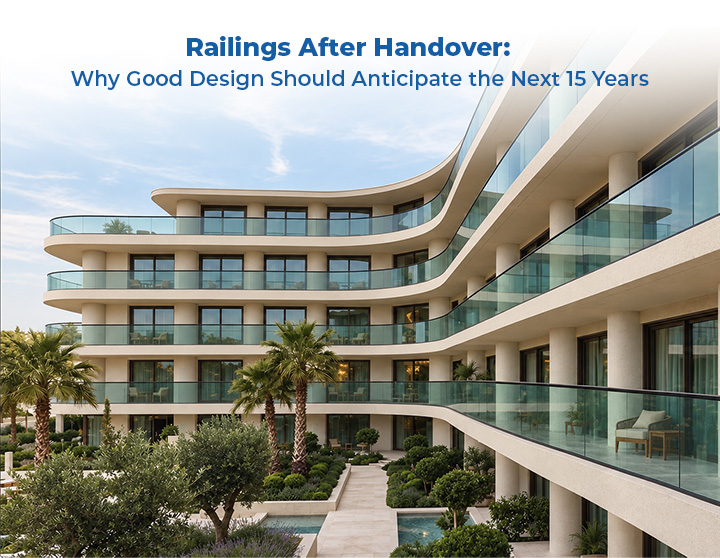
They allow architects to create clear views, light flow, and a minimal design effect. Glass railings are commonly used in balconies, staircases, atriums, hotels, malls, offices, and luxury homes.
When paired with premium profiles and precise installation, glass railing systems offer both elegance and safety.
Functional Customization for Safety
Customization is not only about appearance. It also supports safety and performance.
Different spaces need different railing heights, fixing methods, grip comfort, and structural strength. High-traffic spaces may need more durable systems, while residential areas may focus on comfort and aesthetics.
Customizable railing systems allow architects and project teams to select the right solution based on usage.
Clean Installation for Premium Projects
Premium projects require clean execution. Site-level mess, uneven finishing, or poor alignment can affect the final result.
Modular and customizable railing systems support cleaner installation because components are planned and manufactured with accuracy. This reduces unnecessary on-site adjustments.
As a result, architects can achieve their design intent with better control.
Consistency Across Large Projects
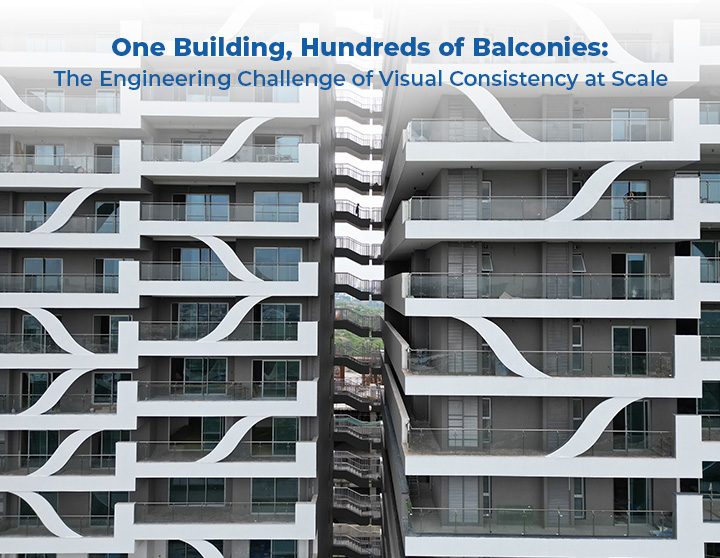
In large projects, railing systems may be used across multiple floors, towers, or zones. Maintaining consistency becomes essential.
Customizable railing systems allow a common design language to be repeated across different areas while still adapting to local requirements.
For architects, this is valuable because the project looks unified without becoming repetitive.
Long-Term Value for Clients
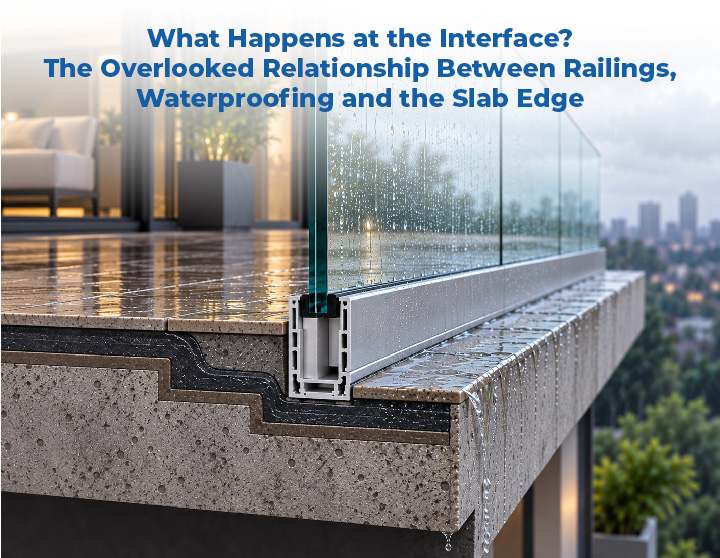
Architects also consider how a product will perform after the project is completed. A railing system must be durable, low-maintenance, and visually relevant over time.
Customizable systems made with premium materials and precision finishing help deliver this long-term value. They reduce maintenance concerns and support lasting design quality.
This strengthens client satisfaction and project reputation.
Conclusion
Architects prefer customizable railing systems because they offer design flexibility, safety, visual balance, glass compatibility, and site-specific performance. They allow railing design to support the overall architecture instead of limiting it.
Technoraill offers modular and customizable railing systems for premium residential, commercial, hospitality, and architectural projects. With multiple profiles, premium finishes, glass integration, precision engineering, and end-to-end project support, Technoraill helps architects bring their design vision to life.
For premium projects where every detail matters, Technoraill delivers railing systems that adapt with elegance and perform with confidence.