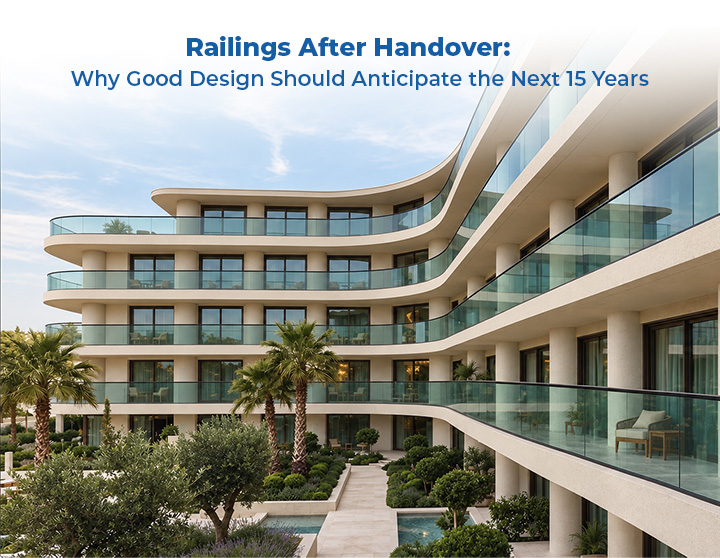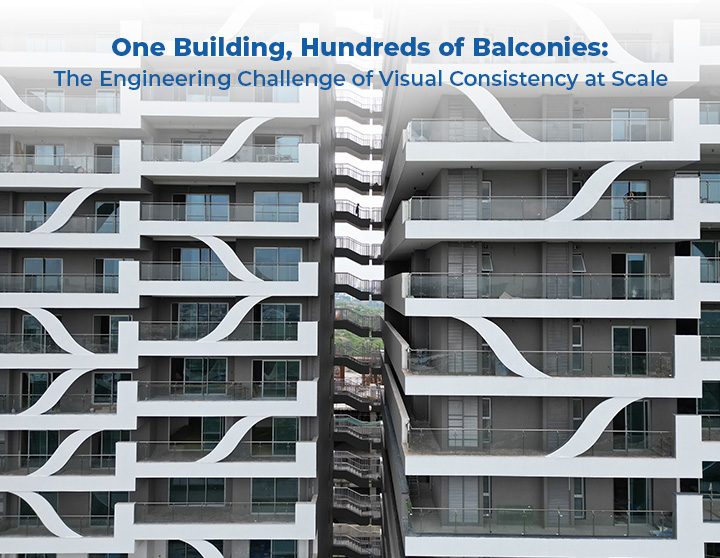
Luxury spaces are not created by one large design decision. They are built through many thoughtful details. Flooring, lighting, walls, furniture, glass, textures, and railings all work together to create the final experience.
Among these elements, railing design is often underestimated. However, railings are visible across staircases, balconies, terraces, decks, atriums, and transition areas. Therefore, they influence both the safety and the appearance of a space.
In luxury interior and exterior planning, railing design must support the architecture without disturbing it. It should feel strong, elegant, and visually balanced.
Railings Connect Different Spaces
A railing system is not limited to one corner of a property. It often appears in multiple areas such as staircases, balconies, internal passages, terraces, and outdoor decks.
Because of this, railing design becomes a connecting element. It helps maintain design continuity between interior and exterior spaces.
For example, a modern villa may have internal staircase railings, balcony railings, and terrace railings. If all these systems follow the same design language, the property feels more refined and cohesive.
Balancing Safety and Style
Luxury design should never compromise safety. At the same time, safety features should not feel heavy or forced.
A well-designed railing system provides secure support while maintaining a clean and premium appearance. This balance is important in both homes and commercial spaces.
Modern railing design for luxury spaces often focuses on minimal profiles, smooth finishing, glass integration, and strong structural performance. These elements help create safety without visual clutter.
Interior Railings as Design Features
Inside a luxury property, staircases often become statement elements. Therefore, staircase railings must be selected carefully.
A well-designed railing can enhance the staircase and make it part of the interior design. It can create openness, guide movement, and add elegance to the space.
Glass railing systems work well in interiors because they allow light to flow freely. Aluminium and premium stainless steel profiles can add structure while maintaining a modern appearance.
Exterior Railings for Strength and Exposure
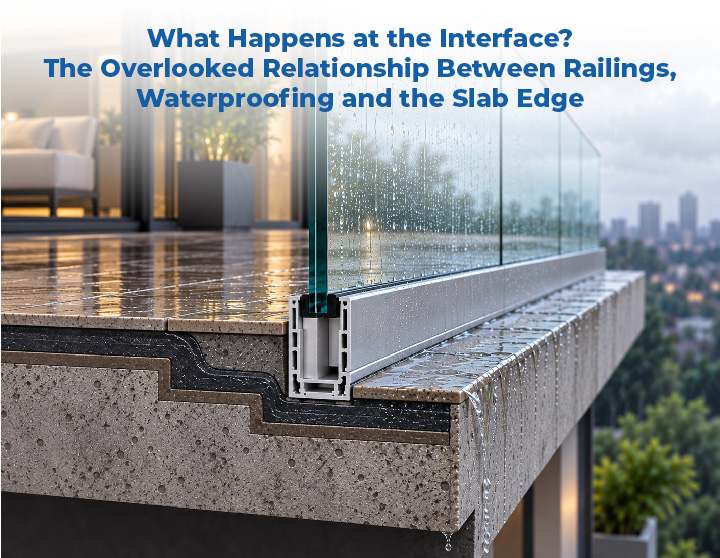
Exterior railings have different requirements. They are exposed to sunlight, rain, humidity, dust, and temperature changes. Therefore, they must be durable and weather-resistant.
Balconies, terraces, decks, and outdoor staircases need railing systems that can perform over time. Corrosion-resistant materials and UV-resistant finishes help maintain both strength and appearance.
In luxury exterior planning, railings must look refined while handling real environmental conditions.
The Role of Proportion and Alignment
Luxury is often found in proportion. A railing that is too bulky can make a space feel heavy. A railing that is too weak or poorly aligned can affect both safety and appearance.
Therefore, railing design must consider height, spacing, profile thickness, glass placement, and installation method. These details influence how the final space looks and feels.
Precision in alignment also matters. A clean railing line can make architecture look more polished and intentional.
Customization for Project Needs
No two luxury spaces are exactly the same. A villa, hotel, resort, office, and commercial building may all require different railing solutions.
Customizable railing systems allow architects and designers to select profiles, finishes, colors, and configurations based on the project requirement. This helps the railing blend with the overall design.
Instead of forcing one standard solution everywhere, customization allows the railing system to respond to the space.
Low Maintenance for Long-Term Appeal
Luxury spaces must retain their appearance over time. Therefore, maintenance is an important factor.
Low-maintenance railing systems help reduce frequent polishing, painting, or repair work. They are easier to clean and can maintain their finish with regular care.
This is especially useful for exterior spaces and high-use areas where railings are touched, cleaned, and exposed regularly.
Why Railing Design Should Be Planned Early
Railings should not be selected at the last stage of a project. When railing design is planned early, it can be better integrated with the architecture.
This improves technical coordination, finish selection, installation planning, and design consistency. It also helps avoid last-minute compromises.
For luxury projects, early railing planning ensures that safety and style are both handled properly.
Conclusion
Railing design plays an important role in luxury interior and exterior planning. It supports safety, movement, openness, design continuity, and long-term visual appeal.
Technoraill offers modular railing systems designed for premium residential and commercial spaces. With customizable designs, glass compatibility, precision finishing, corrosion-resistant materials, and end-to-end project support, Technoraill helps architects and designers create railing solutions that match the quality of luxury architecture.
For spaces where every detail matters, Technoraill delivers railing systems that bring strength, elegance, and design clarity together.